
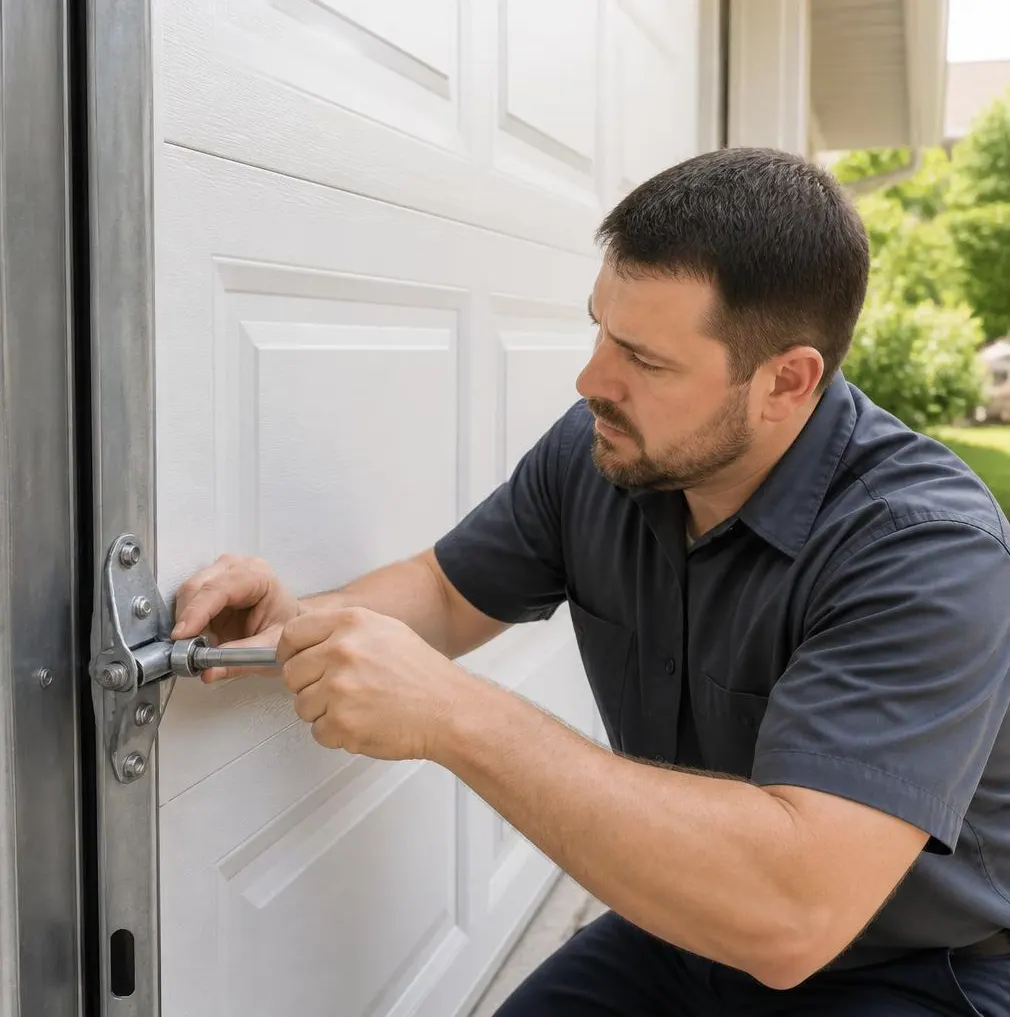
Winter Garage Door Prep, Florida Style
Getting a garage door ready for winter in Lake County isn't about frozen tracks or ice-stiffened springs. It's about undoing the damage from months of heat, humidity, and storms, then adjusting for the drier, cooler air that's about to move in. The short version: clean and lubricate every moving part, check the weatherstripping, test the balance, and make sure your opener's sensors are still aligned after a summer of storms. Do that now and the door will run smoothly through the mild months ahead.
Why Florida "Winter" Still Matters for Your Door
Hurricane season doesn't fully wind down until later in the fall, and the humidity and afternoon downpours that come with it leave their mark on a garage door system. Moisture works into hinges, tracks, and springs. Salt-tinged air drifting in from the coast speeds up rust on hardware, even well inland. Then, as cooler fronts start pushing through in December and January, the sudden swings from humid-and-warm to dry-and-cool can cause wood and composite doors to contract, hinges to stiffen, and weatherstripping that was fine in August to suddenly let in drafts or light. None of this is dramatic the way a northern winter is, but it adds up to real wear if it's ignored.
Check for Leftover Storm Season Damage
Before anything else, walk the full perimeter of the door and look for damage that's easy to miss day-to-day:
- Panel dings or warping from wind-blown debris during storms.
- Bent or loose tracks caused by wind load pressing on the door during gusts.
- Rust spots on hinges, springs, and the bottom bracket, especially if the garage sits low or collects standing water during downpours.
- Cracked or brittle weatherstripping along the bottom and sides, which breaks down faster in heat and UV exposure than most people expect.
Catching these now, before the drier season settles in, means they don't turn into a stuck door or a sensor failure later.
Lubricate Every Moving Part
Humidity and heat break down lubricant faster than most homeowners realize, so by this time of year, springs, hinges, rollers, and tracks are often running drier than they should be. Use a silicone-based garage door lubricant (not household oil or WD-40, which attract dust and grit) on:
- Torsion and extension springs
- Hinges and pivot points
- Roller bearings (unless they're sealed/nylon, which need little to no lubrication)
- The track-facing edge of the rollers
This single step prevents most of the grinding, squealing, and jerky movement people notice once cooler, drier air arrives and metal parts contract slightly.
Inspect and Replace Weatherstripping
The rubber seal along the bottom of the door and the vinyl strips along the sides keep out wind-driven rain, pests, and drafts. After a summer of heat and UV exposure, it's common to find this material cracked, flattened, or pulling away from the frame. If daylight shows through the bottom seal when the door is closed, or you can wiggle the side seals loose with your fingers, it's time to replace them. This matters more in the cooler months because gaps that let in a little humid air in July let in a noticeably colder draft once overnight temperatures drop.
Test the Door's Balance
A door that's out of balance puts extra strain on the opener and the springs, and that strain shows up faster after a long, heavy-use summer (lots of opening and closing to get in and out of the heat). To check it:
- Disconnect the opener by pulling the release cord.
- Lift the door halfway by hand.
- Let go. A balanced door stays in place. If it drifts up or falls down, the spring tension is off.
Don't try to adjust torsion springs yourself; they're under significant tension and can cause serious injury. This is one to leave to a technician.
Clean Tracks and Check the Opener Sensors
Afternoon downpours kick up a lot of sand, pollen, and grit that settles into the tracks and on the safety sensors near the bottom of the door. A dirty sensor lens can cause the door to reverse unexpectedly or refuse to close at all. Wipe the tracks with a damp cloth, vacuum out any debris, and clean the sensor lenses with a soft, dry cloth. While you're at it, test the auto-reverse safety feature by placing a block of wood in the door's path and making sure it reverses on contact.
When to Call Mascotte Garage Door Service
Some of this is simple homeowner maintenance. But if the door is noticeably off-balance, springs show rust or visible stretching, or the opener sensors won't hold alignment no matter how many times you clean them, it's time to call in a technician. Our Garage Door Maintenance & Tune-Up service covers a full inspection of springs, tracks, cables, and hardware, plus lubrication and adjustment, so small issues get caught before they turn into a dead spring or an off-track door. If storm season left behind bent tracks or hardware that's visibly rusted or warped, our Cable & Roller Replacement service gets those parts swapped out before they fail mid-use.
If your garage door in Mascotte, Groveland, Clermont, or anywhere else in Lake County needs a seasonal once-over, give Mascotte Garage Door Service a call. We'll get it running smoothly before the weather turns.